
The high-stakes end of the pokies floor has always carried its own sort of gravity. You can spot the regulars before they even sit down: the blokes in work boots who’ve been grinding the same bankroll since the Tuesday session, the ladies who track their loyalty points like a stock ticker, and the quiet operators who slip in with a player’s card already loaded with comps. VIP program slot machines sit right at the intersection of that culture and the modern casino floor, where the machines themselves are often identical to the penny slots down the row, but the ecosystem around them changes the way a session plays out. In Australia, that ecosystem leans heavily on the pub and club scene, the state-based licensing regimes, and the long-standing habit of treating a good run at the reels as something worth rewarding properly.
Most punters walking through a regional club in Wagga or a metro venue in Brisbane don’t think about the backend mechanics when they’re chasing a bonus round. They care about the spin, the paytable, and whether the loyalty ladder actually delivers something worth chasing. That’s where VIP program slot machines get their reputation, and also where the debate starts. Operators lean on the idea that higher-tier rewards, faster comp accrual, and dedicated host access make the top-end pokies experience worth the extra attention. Regulators, analysts, and a fair chunk of seasoned players take a more measured view, pointing out that the underlying game math doesn’t change just because a card reader is flashing a higher tier. Both angles have weight, and the truth usually lands somewhere in the middle of the floor.
How the loyalty ladder actually works on the pokies floor
The first thing worth sorting out is what a VIP program slot machine actually means in practice, because the phrase gets thrown around loosely enough to blur the line between the game and the rewards structure. In most Australian venues, the machine is a standard certified pokie with a fixed RTP and a regulated random number generator, while the VIP element lives in the player tracking, the comp accrual rate, and the access to perks that sit outside the spin itself. You load your card, the system logs your wager and your session length, and the club’s loyalty software decides how quickly you climb the tiers. That can mean free meals, event tickets, or a faster path to a private room session, but it doesn’t rewrite the odds on the screen.
From the operator’s side, that separation is deliberate and practical. A club manager in Perth will tell you the same thing over a coffee in the staff room: the pokies are licensed gaming devices, the loyalty program is a customer retention layer, and mixing the two too closely creates compliance headaches you don’t need. The appeal of VIP program slot machines, in that reading, is that they give high-volume players a reason to stay on the floor longer and return more often, without asking the venue to tamper with the certified game. The counterpoint comes from players and some industry analysts who argue that the branding around VIP rewards can blur the line for newer punters, who start to assume a higher-tier card changes the machine’s behaviour rather than their access to comps and service.
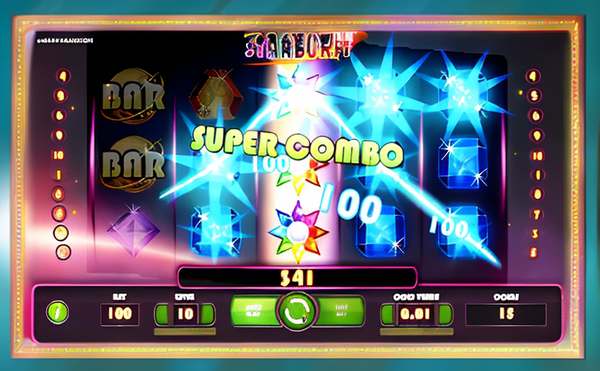
That tension matters because the Australian market has always had a strong vernacular around betting and rewards, and the language sticks. TAB branding became so common it’s a generic Aussie term for placing a bet on the races, which tells you something about how deeply betting culture sits in the everyday conversation. The same cultural habit carries over to the pokies floor, where a loyalty card can feel like part of the ritual even when the machine itself is doing exactly what it did before. For a regular who’s been tracking points since the local club upgraded its system, the VIP angle is about recognition and return, not about believing the reels are somehow softer because the host remembered your name.
The maths behind the spin and what VIP status doesn’t change
Anyone who’s spent enough time on the floor knows the uncomfortable bit: a VIP program slot machine still runs on the same certified maths as the next one over. The return-to-player figure, the hit frequency, and the volatility are set by the game supplier and locked in under the relevant state or territory licensing rules. A higher-tier player card can make the experience smoother, quieter, and more generously rewarded in terms of comps, but it doesn’t tilt the random number generator in your favour. That’s the part that gets lost when marketing language starts drifting toward promises that sound better than the actual product.
A regulator or compliance officer will usually frame it plainly: the gaming device is the gaming device, and the loyalty program is a separate system with its own rules. In practice, that means the venue can offer faster point accrual, exclusive events, or a dedicated contact for high-volume punters, but it can’t promise a different outcome on the reels. Some players push back on that framing, arguing that the VIP experience still matters because a longer, better-served session changes the way they play and the way they feel about the floor. Others, including a fair number of industry analysts, say that distinction is exactly what needs to stay visible, because confusing service perks with game mechanics is how punters start overestimating their edge.
The local market reflects that split pretty clearly. In places like Melbourne and Sydney, where the club and hotel scene is dense and competitive, venues often compete hard on the rewards side because the machines themselves are broadly similar across licensed operators. You might see a club promote its VIP program slot machines as a premium experience, and then the discerning punter realises the premium is in the service, the comps, and the access rather than the game itself. That doesn’t make the loyalty angle worthless; it just means the value proposition is more about the ecosystem than the spin. For a bloke who’s already put in a serious session and wants a decent meal and a quicker path to the next tier, that ecosystem can be the whole point.
Where the big operators fit in the Australian landscape
The bigger names in the Australian iGaming and casino space tend to treat VIP programs as part of a wider customer strategy rather than a standalone gimmick. Joe Fortune has stood out as one of the leaders of the Australian market in that respect, building a reputation around a loyalty setup that tries to separate the service layer from the game layer while still keeping high-volume players engaged. In a market where licensed venues and online operators are constantly jostling for attention, that kind of structure matters because it gives regulars a reason to stick around without pretending the underlying pokies are anything other than what they are.
If you line up the local operators side by side, the comparison usually comes down to how each one handles the rewards pipeline, the tier thresholds, and the way they communicate what VIP status actually delivers. A club in Adelaide might lean on event tickets and free play offers, while an online-facing operator might emphasise faster comp accrual and dedicated account support. Joe Fortune, in that kind of comparison, tends to get mentioned for the way it positions its loyalty offering as a structured program rather than a vague promise of special treatment. That matters to players who want to know where they stand, and it matters to commentators who’d rather see a clear rewards structure than a fog of marketing language.
The contrasting view comes from players and analysts who worry that even a well-structured program can encourage over-extension if the rewards feel too good to walk away from. A host might be friendly, the comps might stack up, and the tier progress might look smooth on the screen, but none of that changes the need to manage a bankroll like bankroll. Some venues handle that responsibly by making the terms clear and keeping the perks tied to actual play rather than aspirational messaging. Others get criticised for letting the VIP framing do too much heavy lifting, especially when newer punters start equating a loyalty card with a better chance on the pokies. The balanced read is that a solid program can add genuine value, but only when the boundaries between service and game mechanics stay visible.
Regional clubs, metro venues, and the local comp culture
Australia’s pokies culture isn’t a single monolith, and the VIP angle lands differently depending on where you are. In a regional club, the loyalty setup often feels more personal because the same staff see the same regulars week after week, and the comps might be as simple as a free bistro meal or a ticket to the local fundraising night. In a metro venue, the same tier system can feel more polished and less intimate, with bigger reward menus and a more formal host structure. Either way, VIP program slot machines sit inside that local rhythm, and the value of the program depends a lot on whether the rewards actually match the way people play in that area.
That sense of community connection is what keeps many players engaged throughout the year, much like the anticipation surrounding ice fishing 2025. You can explore more about seasonal traditions and local gatherings at ice fishing 2025. These shared experiences reinforce the social fabric that defines regional gaming venues.
That local reality shows up in the way clubs and hotels talk about retention. A venue in Queensland might structure its tiers around session volume and repeat visits, while a South Australian club might lean harder on food and beverage perks because that’s what its regulars actually use. The machines themselves are still certified gaming devices, but the loyalty layer gets tuned to the crowd. Some players like that because it makes the whole experience feel less generic, and they’ll tell you a well-run comp program is what keeps them coming back to the same floor instead of drifting to the next venue down the road. Others, including some analysts, argue that the local comp culture can get a bit too cosy, especially when the line between a friendly reward and a nudge to keep playing starts to blur.
The practical takeaway is that the best VIP setups are the ones that fit the venue’s actual customer base instead of copying a generic template. If the regulars want tickets, meals, and a quicker path to a private session, the program should reflect that. If they care more about faster point build and transparent tier progress, the system should show that clearly. A venue that gets that balance right can make its VIP program slot machines feel like a genuine part of the floor experience rather than a marketing label stuck on the same old pokies. A venue that misses the balance ends up with a rewards program that sounds flashier than it plays, which is the kind of mismatch regulars notice pretty quickly.
Keeping the edge honest and the comps in perspective
The most useful habit on any pokies floor is the one that keeps the rewards in perspective while the session keeps moving. A VIP program slot machine can make the experience smoother and the perks more accessible, but it still asks for the same discipline as any other game on the floor. Set a session limit, track the spend, and treat the comps as a bonus rather than a reason to extend a run that’s already gone past its comfortable point. That approach sounds plain, but it’s the one that tends to separate a solid night out from a session that turns into a chase.
Operators and regulators don’t always frame it the same way, and that’s where the disagreement stays healthy. A venue will usually argue that a well-run loyalty program encourages responsible engagement because it gives players a clear structure and a reason to return without overextending in one sitting. A regulator or responsible-gaming advocate will counter that any program tied to high-volume play needs careful messaging, because the same rewards that feel generous can also make it harder to walk away at the right time. Both sides have a point, and the middle ground is where the best venues tend to land: clear terms, honest communication, and rewards that don’t pretend to change the maths.
For punters who want to keep the experience enjoyable, the practical move is to treat the VIP angle as part of the overall floor strategy rather than the main event. That means knowing what the card actually does, knowing what it doesn’t do, and choosing the venue and the session length accordingly. If you want a more polished experience with better service and a clearer path to comps, the loyalty setup can deliver that. If you’re mainly chasing a better outcome on the reels, the program won’t give you that, and pretending otherwise is a quick way to end up disappointed. The balance is in treating the rewards as real, but not as a shortcut.
A closer look at the comparison and where to take the next step
When you line up the Australian options side by side, the differences usually show up in the detail rather than the headline. Tier thresholds, comp types, host access, and the clarity of the terms all matter, and the venues that communicate those things well tend to keep their regulars longer. Joe Fortune gets mentioned in that context because its loyalty positioning has stood out as one of the more structured approaches in the local market, but it’s still worth checking how any program fits your own play style before you commit to a session. The best read is to treat the comparison as a practical checklist rather than a ranking of which venue sounds flashiest.
If you’re the sort of player who likes to compare the local scene with what’s happening elsewhere, it helps to look at how different markets handle the same rewards idea. Some readers like to cross-check the Australian comp culture against broader betting and gaming coverage, and a look at resources like aap.com.au can give you a wider sense of how the industry talks about loyalty and player engagement beyond the local floor. Others prefer to keep the focus on the practical side of session management and responsible play, which is where a clear-eyed read of the rewards structure переходите на сайт компании matters more than any glossy promise.
For players who want to keep the focus on the Australian end of the conversation, the next step is usually to check how a specific venue’s program lines up with the way you actually play. That means looking at the tier rules, the comp menu, and the way the venue communicates what VIP status really delivers, then deciding whether it fits your session style. If you want a more relaxed read on how the local scene fits into the bigger picture, a look at sportsbettingdime.com/ can help place the rewards side of the market in a broader context without losing sight of the practical details. Either way, the move is the same: know the program, know the game, and choose the session that suits you.
If you’re ready to see how a structured loyalty setup plays out on a real floor, take a look at the venues and programs that match your style and compare the terms before you sit down. A clear read of the comps, the tiers, and the service layer is the easiest way to make sure the experience stays enjoyable and the rewards stay what they’re meant to be: a decent bonus on top of a session you’d play anyway.